
What to Expect on Your First Helicopter Ride: A Kauaʻi First-Timer’s Guide
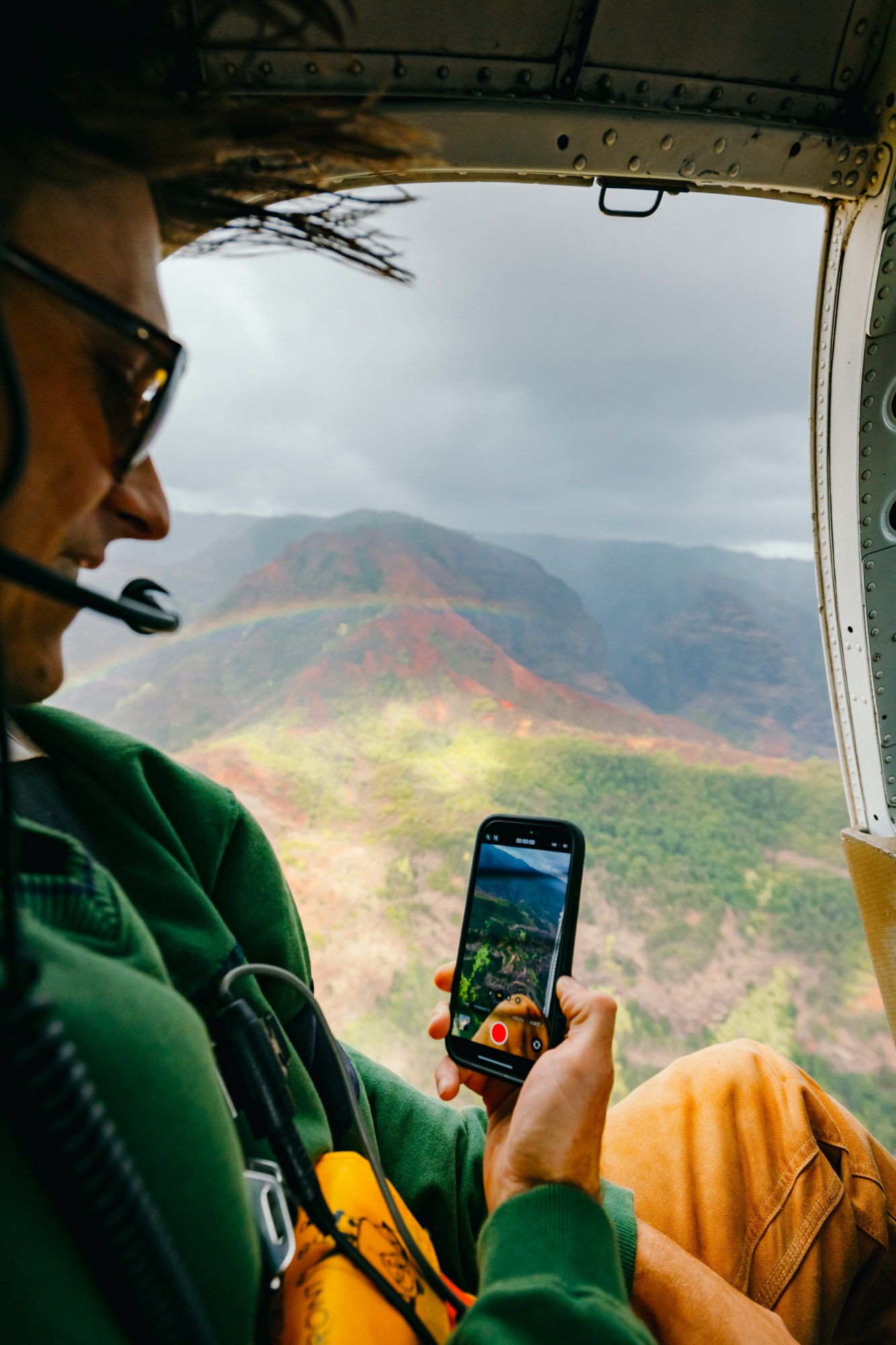
What to Expect on Your First Helicopter Ride: A Kauaʻi First-Timer’s Guide
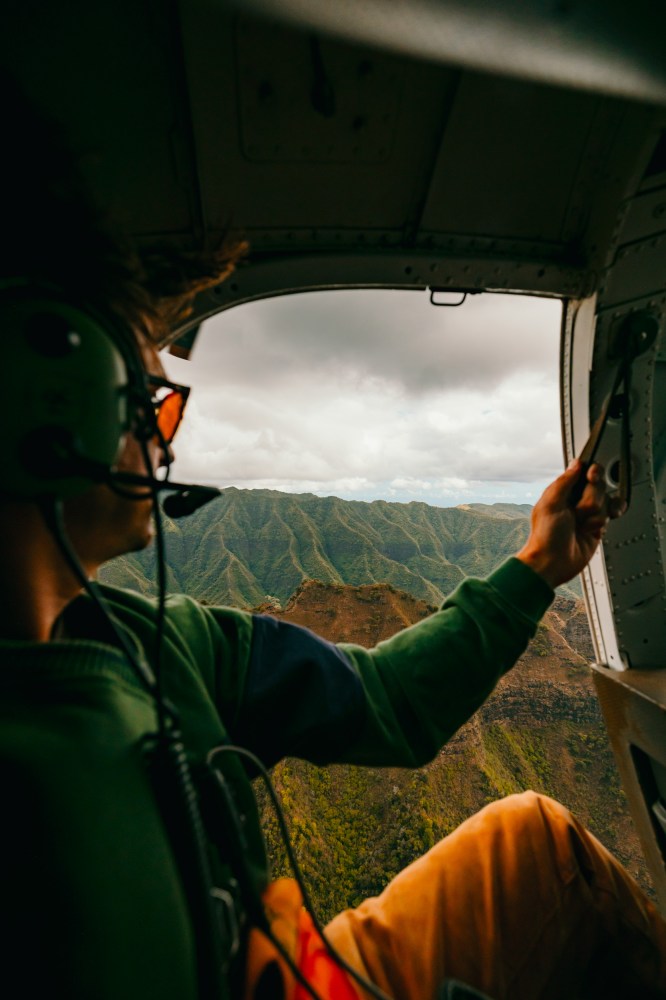
Your first helicopter ride is one of those “I can’t believe I’m actually doing this” moments, in the best way. If you’re flying with Jack Harter Helicopters on Kauaʻi, you’re about to experience the island from a perspective most people never see: dramatic sea cliffs, deep valleys, hidden waterfalls, and remote shoreline views that are inaccessible by road.
If you’re wondering what to expect on your first helicopter ride, this guide walks you through the full experience, before you arrive, during check-in, in the air, and after you land—plus practical tips to help you feel confident and comfortable.
Before You Arrive: Booking, Timing, and Pre-Flight Mindset
Most first-timers feel a mix of excitement and nerves. Totally normal. Here’s what helps:
Arrive early
Keep traffic delays in mind and plan to arrive 45 minutes ahead of your scheduled departure so you can check in, get settled, and enjoy a relaxed start. Rushing is the easiest way to feel extra anxious.
Expect a quick, organized process
A helicopter tour operation is built around safety and efficiency. You’ll move through check-in, a briefing, and loading in a clear order.
Weather can affect routes
Kauaʻi’s microclimates are real. Conditions can shift quickly, especially around valleys and higher elevations, so your exact route may vary to prioritize safety and visibility. (Sometimes that means you’ll see alternate areas that are just as stunning.)
Check-In: What Happens When You Get There
When you arrive, you can expect:
- Guest check-in and confirmation of your reservation
- Weight and balance procedures (standard for all helicopter flights)
- Secure storage options for items you won’t bring onboard
- A chance to ask questions if it’s your first time
This part is usually straightforward and sets the tone: professional, friendly, and safety-first.
The Safety Briefing: Short, Clear, and Important
A big part of what to expect on your first helicopter ride is the pre-flight briefing. You’ll learn:
- How to approach and exit the aircraft safely with your skilled driver.
- Seatbelts/harness use
- Headset use (so you can hear your pilot and narration)
- Rules about phones/cameras and loose items
- What to do in the unlikely event of an emergency
Even if you’ve flown before (planes, boats, etc.), helicopter procedures are unique, so pay attention here. It’s quick, but it matters.
What to Wear on Your First Helicopter Ride
Comfort and safety win. Here’s the best first-timer checklist:
- Dark clothing (helps reduce glare in photos through the windows, for doors-on helicopter tour only)
- Light layers (it can feel cooler at altitude)
- Closed-toe shoes (required for safety)
- Secure hair ties if you have long hair
- No hats or loose accessories (For safety reasons)
If you’re doing a doors-off helicopter tour (if applicable to your chosen experience), prioritize:
- snug, secure layers
- sunglasses with a strap (if allowed)
- absolutely nothing loose (so nothing fliesyers from the helicopter)
Pro tip: Skip anything that can flap loudly (scarves, loose jackets). It’s distracting on headsets.
What It Feels Like Once You Lift Off
This is the moment most people worry about—then immediately love.
Takeoff is smoother than many expect
Helicopters don’t “rocket upward.” It’s typically a controlled, steady lift and transition into forward flight.
You may feel gentle motion
Think of it like a boat on a light ocean swell. Turns, small shifts, and altitude changes are normal, especially when the pilot is positioning for views.
The headsets change everything
Once your headset is on, the cabin feels calmer. You’ll be able to hear narration and communicate if needed, and it reduces the intensity of the aircraft noise.
What You’ll See on a Kauaʻi Helicopter Tour
One reason people choose Kauaʻi is because so much of the island is best seen from the air. Depending on conditions and your tour type, you may see:
- The Nā Pali Coast sea cliffs and shoreline folds
- Canyons and ridgelines with deep, dramatic contours
- Waterfalls that are difficult (or impossible) to reach by foot
- Lush valleys with views that stretch from mountains to ocean
If you’ve only seen these places from lookouts or hikes, the aerial perspective is a whole different scalp; you’ll notice how massive the terrain really is.
Seating, Views, and Photos: What First-Timers Should Know
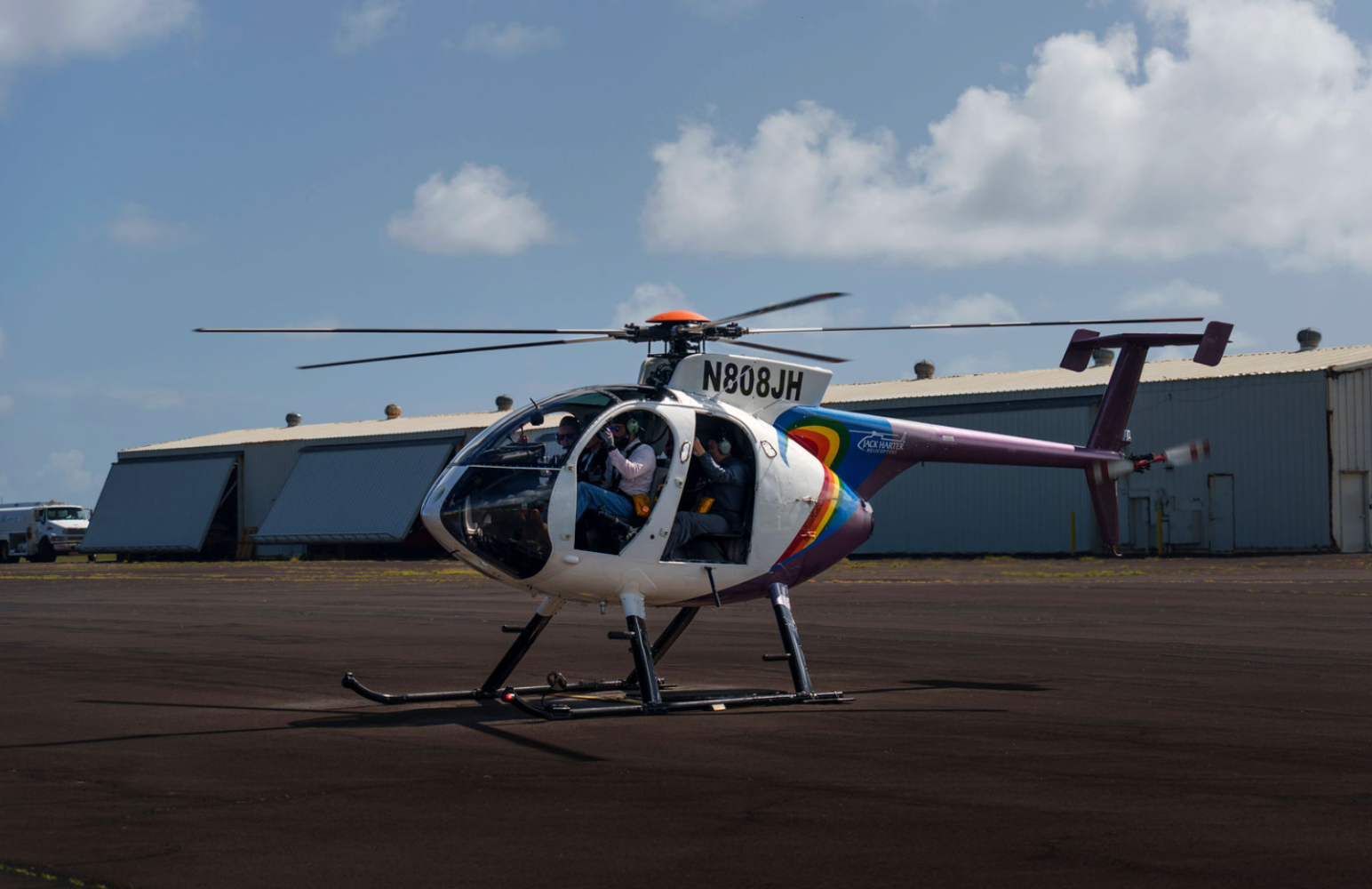
Seating
Helicopters are carefully balanced by the crew, so seating is assigned for safety. If you’re traveling as a couple or family, you’ll often still be together, but the crew will prioritize weight distribution.
Photos & video
You’ll get amazing footage—if you set yourself up right:
- Keep your camera/phone secured at all times. You may borrow wrist straps from the office.
- Use burst mode for turns or fast-moving scenery
- Clean your lens before boarding
- Shoot slightly angled to reduce window reflections
- If allowed, turn brightness up so you can frame shots quickly
If you want the most cinematic results, spend the first minute just taking it in, then start filming.
If You’re Nervous or Prone to Motion Sickness
First: you’re not alone. Second: most guests do great.
Helpful habits:
- Eat lightly beforehand (not empty stomach, not heavy meal)
- Stay hydrated
- Look toward the horizon when you can
- Breathe slowly during takeoff and turns
- Avoid reading your phone mid-flight
If you know you’re sensitive, consider choosing a time of day that tends to have calmer conditions.
After You Land: What Happens Next
After landing, you’ll be guided on how to exit safely and return equipment. Many operators also offer:
- Photo/video packages (if available)
- A chance to ask your pilot questions
- Time to take photos on the ground in designated areas
Expect to leave feeling equal parts “adrenaline” and “wow.”
First Helicopter Ride Tips to Make It Even Better
- Book earlier in your trip in case weather requires rescheduling
- Charge your phone and clear storage space
- Use the restroom before the flight
- Trust the process procedures are there so you can relax and enjoy
FAQ: What to Expect on Your First Helicopter Ride
Is a helicopter ride scary the first time?
It’s normal to feel nervous, but many guests say the fear disappears as soon as they lift off and see the views. The experience is controlled, guided, and safety-focused.
How long is a typical helicopter tour?
Tour lengths vary by experience. Your confirmation details will include your exact flight time and check-in instructions.
Can I bring my phone or camera?
Yes, absolutely, , but it must be secured and follow crew instructions. Avoid loose items and follow all rules given during the safety briefing.
What should I wear?
Dark, comfortable clothing, closed-toe shoes, and light layers are ideal. Avoid hats and loose accessories.
What if the weather is bad?
Routes can change to maintain safety and visibility, and some flights may be delayed or rescheduled depending on conditions.
Ready for your first flight? Explore Kauaʻi from above with Jack Harter Helicopters and book a tour you’ll remember for a lifetime